

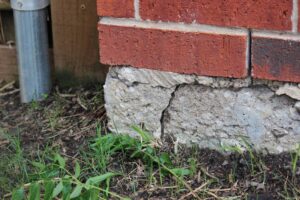
 Climate change represents far more than an environmental issue; it simultaneously constitutes a fiscal crisis for modern rental property investors. Fluctuating meteorological trends, more recurrent severe events, and protracted seasonal stress on buildings are steadily compounding long-term maintenance expenses. The climate’s impact on rentals today is accelerating wear on roofs, HVAC systems, foundations, and exteriors, making climate-related maintenance an indispensable cornerstone of protecting your property while effectively planning for the future.
Climate Impact on Rentals & Why Investors Can’t Ignore the Shift
Over past generations, rental property maintenance conformed to fairly predictable patterns. This applies explicitly to seasonal maintenance, which landlords traditionally executed at roughly the identical point annually. Right now, those base beliefs are shifting swiftly along with our changing climate. Extreme weather as well as alternative climate shifts are actively changing how often rental properties need repairs, how long major systems can last, and how much investors must budget for regular upkeep.
Undoubtedly, the most problematic facet of this environment is that the climate impact residential units endure is not restricted to a solitary catastrophic emergency. Instead, it manifests via cumulative stress over time: progressively hotter summers, torrential downpours, stronger storms, and erratic winter conditions that gradually yet persistently generate increased wear and maintenance costs.
For rental property owners, this results in:
- Compressed replacement cycles for vital building components
- Expanded execution of frequent inspections and preventative repairs
- Elevated long-term operating expenses (should foresight fail to adapt)
Regrettably, dismissing changing climate trends can insidiously undermine a portfolio’s profitability as years roll by. Because of this, real estate buyers must launch structural planning immediately to mitigate the impact our changing climate will have on their bottom lines.
Key Climate-Driven Maintenance Challenges
When reflecting on how climate and the environment impact rental properties, it turns out to be obvious that our property exteriors are going to be the frontline features displaying signs of increasing wear. Concurrently, vital operations are similarly exposed to shifting climate change trends. A handful of the key maintenance challenges that landlords must remain aware of encompass:
- Heavier Rainfall and Flood Risk: Increased rainfall imposes extra strain on rooflines, downspouts, runoff routing, and structural footings. Even dwellings situated entirely outside designated flood plains routinely suffer from moisture intrusion, culminating in fungal growth, timber decay, and severe structural concerns that inevitably elevate operational maintenance costs.
- Rising Temperatures and Heat Stress: Scorching summer months compel HVAC systems to work longer and harder. Simultaneously, roofing membranes, caulking compounds, and outer coatings deteriorate rapidly when subjected to prolonged heat and UV exposure, escalating the recurrence of professional replacements and repairs.
- Colder Extremes and Freeze-Thaw Cycles: Throughout freezing territories, highly volatile winter conditions prompt repeated freeze-thaw cycles. This phenomenon results in fractured pavement, compromised brickwork, and frozen or burst pipes, occurrences that are invariably costly and disruptive.
- Increased Storm Intensity and Wind Damage: More volatile, stronger storms present a heightened hazard for detached cladding, shattered glass, perimeter fences, and uprooted trees. Even during instances where commercial insurance covers major events, out-of-pocket deductibles and uncompensated property fixes nonetheless reduce net cash flow.
As a direct consequence of these and comparable climate-related events, the cumulative stress of climate change quickens baseline wear and tear and drastically hastens the fundamental aging process of building materials. Shingles fail prematurely, exterior coatings degrade ahead of schedule, and vital mechanical systems give out long before hitting their intended durability limits. Over the long haul, this accelerated wear compounds costs. Improvements that historically required maintenance only once every decade or two might currently demand attention much sooner, throwing off vital long-term budgeting and anticipated investment return calculations.
Real Estate Climate Upkeep Strategies That Protect ROI
Facing a climate-stressed environment, taking a fix-it-as-it-breaks path regarding repair and maintenance turns out much more pricey. Emergency repairs, overtime contractor bills, and occupant relocation invariably introduce unbudgeted liabilities that diminish net yields.
Preventive maintenance, by contrast, establishes clear predictability. By tackling minor defects ahead of time, landlords can successfully extend and stabilize operating expenses regardless of shifting meteorological baselines.
Truly, a sophisticated methodology toward climate maintenance in real estate concentrates heavily on durability and defense. Due to this reality, discerning buyers are progressively emphasizing:
- Additional frequent inspections targeting high-exposure zones
- Weather-fitted materials and upgrades
- Optimized drainage, ventilation, and insulation
- Timely repairs to block environmental damage cycles
Combined, these methodologies work to control costs and reduce surprise expenses.
Climate Trends Are a Maintenance Reality, Not a Future Problem
The climate-related impact on rental properties is currently dictating long-term maintenance costs. Property holders who recognize this environmental transition today and prepare their budgets will be significantly more capable to protect and preserve the value and cash flows of their assets. The reason for this is that climate-aware maintenance is no longer a luxury; it is thoroughly strategic.
At Real Property Management First Class, maintenance scheduling addresses modern environmental shifts rather than outdated expectations. Your local experts in Converse and surrounding markets stand prepared to assist. Contact us digitally right now or dial 210-444-2070 to understand how our forward-thinking, climate-aware maintenance workflows empower rental property investors to budget with total certainty.
This content is provided for general informational and educational purposes only and does not constitute financial, legal, tax, or investment advice. Readers should consult with licensed professionals regarding their specific circumstances.
We are pledged to the letter and spirit of U.S. policy for the achievement of equal housing opportunity throughout the Nation. See Equal Housing Opportunity Statement for more information.
